
How to Select Laboratory Equipment for Environmental Research
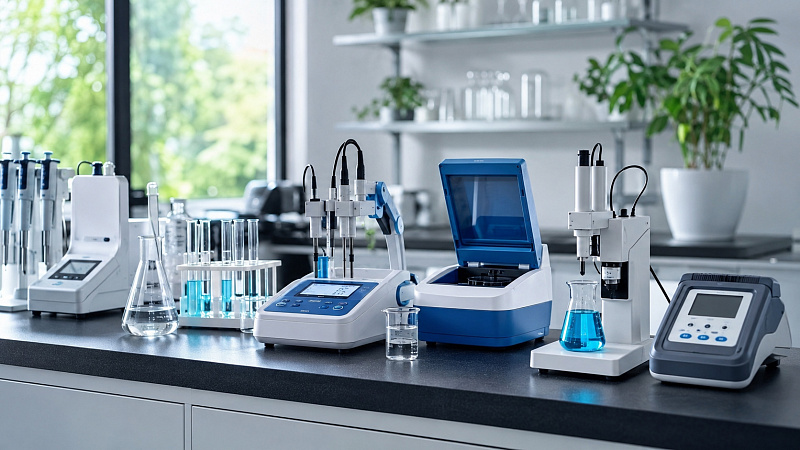
Laboratory equipment for environmental research should be selected according to the real tasks of the laboratory. The same instrument may be a good solution for an educational laboratory, but insufficient for industrial control with a high sample flow. Therefore, selection should begin not with a model name, but with an analysis of methods and operating conditions.
Environmental laboratories often work with water, soil, air, waste, reagents and industrial samples. Each group of tasks may require different measurement methods, different accuracy levels and different sample preparation procedures.
Before selecting equipment, it is important to determine:
- which parameters need to be measured;
- which regulatory or internal methods will be used;
- how many samples the laboratory processes per day or per week;
- whether routine operations should be automated;
- which consumables and reagents will be required;
- who will maintain the equipment and perform calibration;
- whether results need to be integrated into reports or internal accounting systems.
For basic water analysis, laboratories may use pH meters, oximeters, conductivity meters, turbidity meters and photometers. More complex tasks may require titrators, reactor blocks, analyzers, filtration systems, incubation equipment and specialized laboratory complexes.
Reliability of supply is also important. An instrument should not only be purchased, but properly introduced into operation: with documentation, consumables, understandable maintenance, warranty support and the possibility of further supply of spare parts and accessories.
In educational and university laboratories, equipment has an additional role. It helps students and researchers work with modern analytical methods. For this reason, safety, a clear interface, repeatability of results and the ability to demonstrate different stages of analysis are especially important.
A correctly selected laboratory system works more reliably and serves longer. It reduces the number of errors, speeds up sample processing and helps specialists obtain results they can trust.